
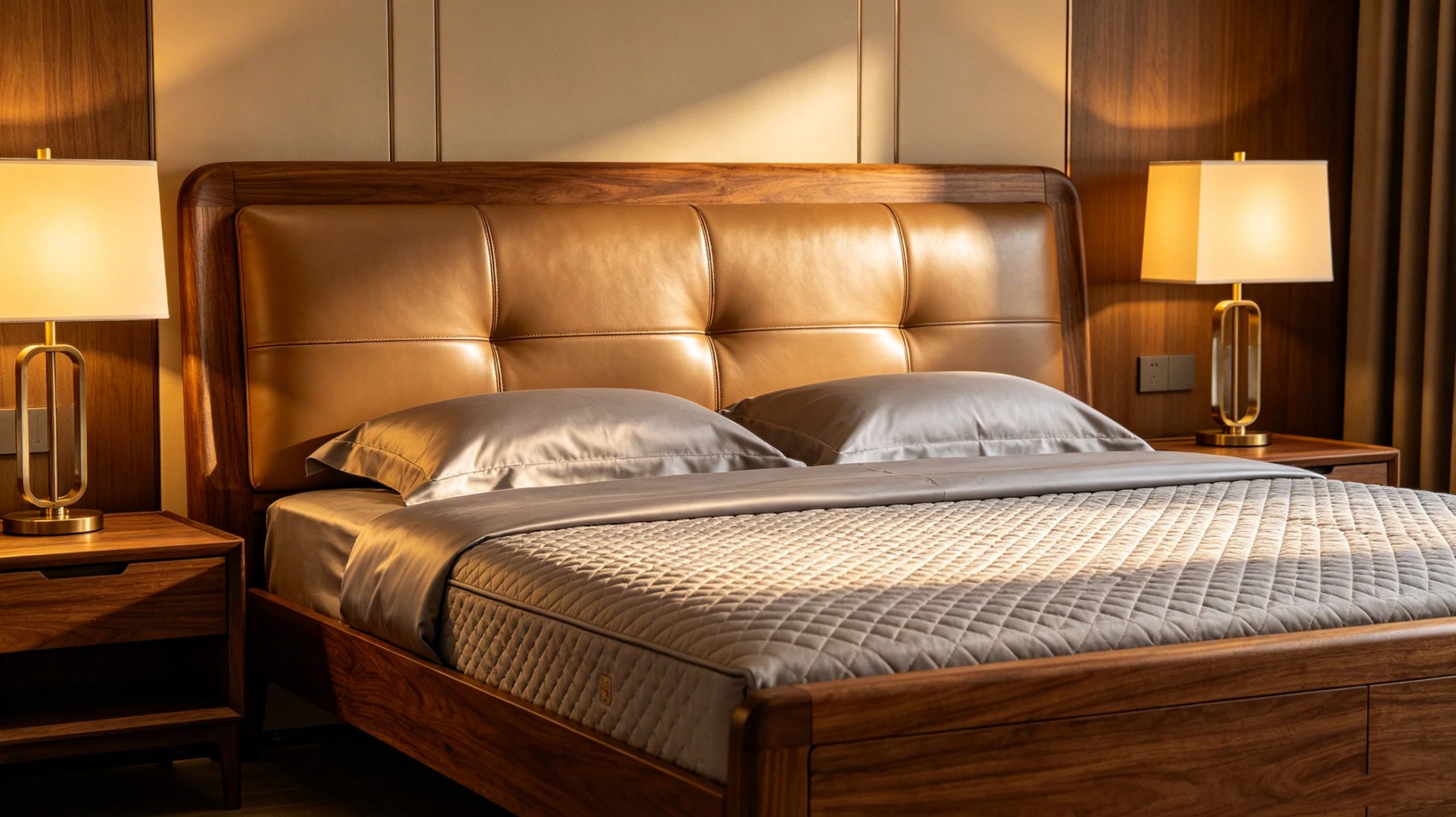
A bed is the most important piece of furniture in any bedroom. Since we spend roughly one-third of our lives sleeping, choosing the right bed is essential for both comfort and health. In a master bedroom, a double bed is more than just a place to sleep—it serves as the centerpiece of the room, influences the overall design, and plays a significant role in sleep quality and daily wellbeing.
With so many options available in furniture stores and online marketplaces, selecting the perfect double bed can feel overwhelming. Factors such as size, mattress support, frame construction, materials, style, and budget all contribute to making the right decision. This guide will help you choose a comfortable double bed that suits your needs and enhances your master bedroom.
Why Choosing the Right Bed Matters
A quality bed provides much more than a place to rest. It can affect:
- Sleep quality
- Back and neck health
- Energy levels
- Mood and mental wellbeing
- Bedroom aesthetics
- Long-term comfort
An uncomfortable bed may contribute to poor sleep, body aches, and fatigue. Investing in the right bed is an investment in your overall health and quality of life.
Understand Double Bed Sizes
Before shopping, it is important to understand common bed dimensions.
Standard Double Bed
A standard double bed typically measures:
- 54 inches wide × 75 inches long
- Approximately 137 cm × 190 cm
This size can comfortably accommodate one adult and may work for two people who prefer a compact sleeping arrangement.
Queen Size Bed
Many homeowners choose a queen-size bed for the master bedroom.
Typical dimensions:
- 60 inches wide × 80 inches long
- Approximately 152 cm × 203 cm
A queen bed provides more sleeping space and is often considered the ideal choice for couples.
King Size Bed
For maximum comfort:
- 76 inches wide × 80 inches long
- Approximately 193 cm × 203 cm
King-size beds are perfect for couples who value personal sleeping space.
When selecting a bed, consider both the room size and the number of people who will use it regularly.
Measure Your Bedroom Carefully
One of the most common mistakes is purchasing a bed that is too large for the room.
Before visiting a furniture store, measure:
- Room length
- Room width
- Doorways
- Hallways
- Available walking space
Interior designers generally recommend leaving at least:
- 24–36 inches (60–90 cm) of walking space around the bed
This ensures the bedroom feels open and comfortable rather than crowded.
Using painter’s tape to outline the bed dimensions on the floor can help visualize how much space the bed will occupy.
Prioritize Mattress Comfort
Even the most beautiful bed frame cannot compensate for an uncomfortable mattress.
The mattress is arguably the most important part of the sleeping experience.
Memory Foam Mattresses
Benefits include:
- Excellent pressure relief
- Body contouring support
- Motion isolation
Ideal for:
- Side sleepers
- Couples
- Individuals with joint discomfort
Innerspring Mattresses
Advantages:
- Strong support
- Better airflow
- Responsive feel
Suitable for:
- Back sleepers
- People who prefer a firmer sleeping surface
Hybrid Mattresses
Hybrid models combine foam and springs.
Benefits:
- Balanced comfort and support
- Improved durability
- Better temperature regulation
These are among the most popular choices today.
Choose the Right Firmness
Mattress firmness is highly personal.
Soft Mattresses
Best for:
- Side sleepers
- Lightweight individuals
Benefits:
- Pressure point relief
- Plush comfort
Medium Firm Mattresses
Suitable for:
- Most sleepers
- Couples with different preferences
Many sleep experts consider medium-firm mattresses the most versatile option.
Firm Mattresses
Ideal for:
- Back sleepers
- Stomach sleepers
- Heavier individuals
They provide strong spinal support and reduce excessive sinking.
Evaluate Bed Frame Quality
A strong bed frame provides stability, durability, and proper mattress support.
Solid Wood Frames
Popular wood choices include:
- Oak
- Maple
- Walnut
- Pine
Benefits:
- Long lifespan
- Natural beauty
- Excellent strength
Metal Frames
Advantages:
- Modern appearance
- High durability
- Minimal maintenance
Metal frames often work well in contemporary and industrial-style bedrooms.
Upholstered Beds
These feature padded fabric or leather headboards.
Benefits:
- Added comfort
- Luxurious appearance
- Comfortable back support for reading
They are especially popular in master bedrooms because they create a warm and inviting atmosphere.
Consider the Headboard
The headboard is both decorative and functional.
A good headboard can:
- Support sitting up in bed
- Protect walls
- Create a focal point
- Enhance comfort
Upholstered Headboards
Provide:
- Soft cushioning
- Elegant appearance
- Comfortable support while reading
Wooden Headboards
Offer:
- Timeless design
- Durability
- Easy maintenance
Minimalist Headboards
Ideal for:
- Modern interiors
- Smaller bedrooms
Match the Bed Style to Your Bedroom
Your bed should complement the overall design of the room.
Modern Style
Features:
- Clean lines
- Neutral colors
- Minimal decoration
Scandinavian Style
Characteristics:
- Light wood finishes
- Simplicity
- Functional elegance
Traditional Style
Includes:
- Rich wood tones
- Decorative details
- Classic craftsmanship
Luxury Hotel Style
Often features:
- Large upholstered headboards
- Neutral color palettes
- Premium bedding
This style creates a sophisticated and relaxing master bedroom environment.
Consider Storage Solutions
Storage beds have become increasingly popular, especially in modern homes.
Drawer Storage Beds
Benefits:
- Extra storage space
- Reduced clutter
- Easy organization
Perfect for:
- Apartments
- Smaller homes
Ottoman Storage Beds
The mattress lifts to reveal a large storage compartment underneath.
Useful for storing:
- Seasonal bedding
- Extra pillows
- Clothing
These beds maximize space efficiency without sacrificing style.
Pay Attention to Bedroom Layout
A bed should fit naturally within the room’s layout.
Generally:
- Place the headboard against the main wall
- Ensure balanced access on both sides
- Leave room for nightstands
Avoid positioning the bed where it blocks doors, closets, or windows.
A balanced layout contributes significantly to comfort and visual harmony.
Select Durable Materials
A quality bed should last many years.
Look for:
- Solid wood construction
- Reinforced joints
- Strong support slats
- Durable upholstery fabrics
Avoid low-quality particleboard frames if long-term durability is a priority.
While they may be less expensive initially, they often wear out faster.
Set a Realistic Budget
Beds are available across a wide range of prices.
Budget Range
Suitable for:
- Guest rooms
- Temporary housing
- First apartments
Mid-Range
Offers:
- Better materials
- Enhanced comfort
- Improved durability
Premium Range
Typically includes:
- High-quality craftsmanship
- Luxury materials
- Longer lifespan
When evaluating cost, consider how frequently the bed will be used and how long you expect it to last.
Common Mistakes to Avoid
When purchasing a bed, avoid these common errors:
Buying Based Only on Appearance
A beautiful bed that lacks comfort will quickly become disappointing.
Ignoring Mattress Quality
The mattress affects sleep quality more than the frame itself.
Choosing the Wrong Size
A bed that is too large can overwhelm the room, while one that is too small may feel restrictive.
Overlooking Storage Needs
Additional storage can greatly improve bedroom organization.
Skipping the Test
Whenever possible, lie on the mattress and test the bed before purchasing.
Comfort is highly personal and cannot always be judged from specifications alone.
Conclusion
Choosing a comfortable double bed for your master bedroom involves balancing comfort, support, size, style, and practicality. By carefully measuring your room, selecting the appropriate mattress firmness, evaluating frame quality, and considering storage options, you can create a bedroom that promotes restful sleep and complements your lifestyle.
A well-chosen bed is more than a furniture purchase—it is an investment in your health, comfort, and everyday happiness. Whether you prefer a modern upholstered bed, a classic wooden frame, or a storage-friendly design, taking the time to choose wisely will help ensure years of comfortable and restorative sleep.